La Sportiva Aequilibrium ST GTX: The Boot I Stopped Thinking About
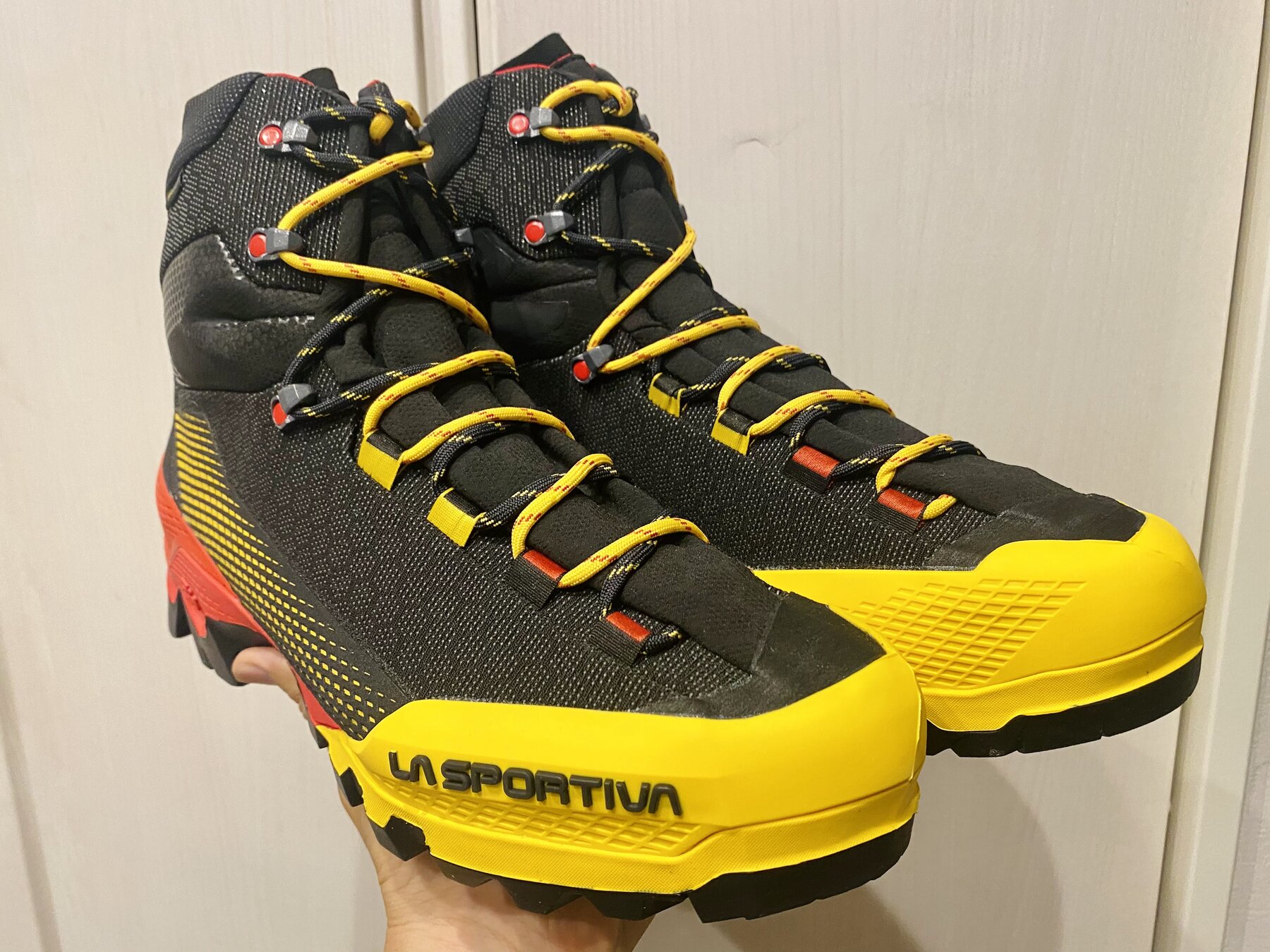
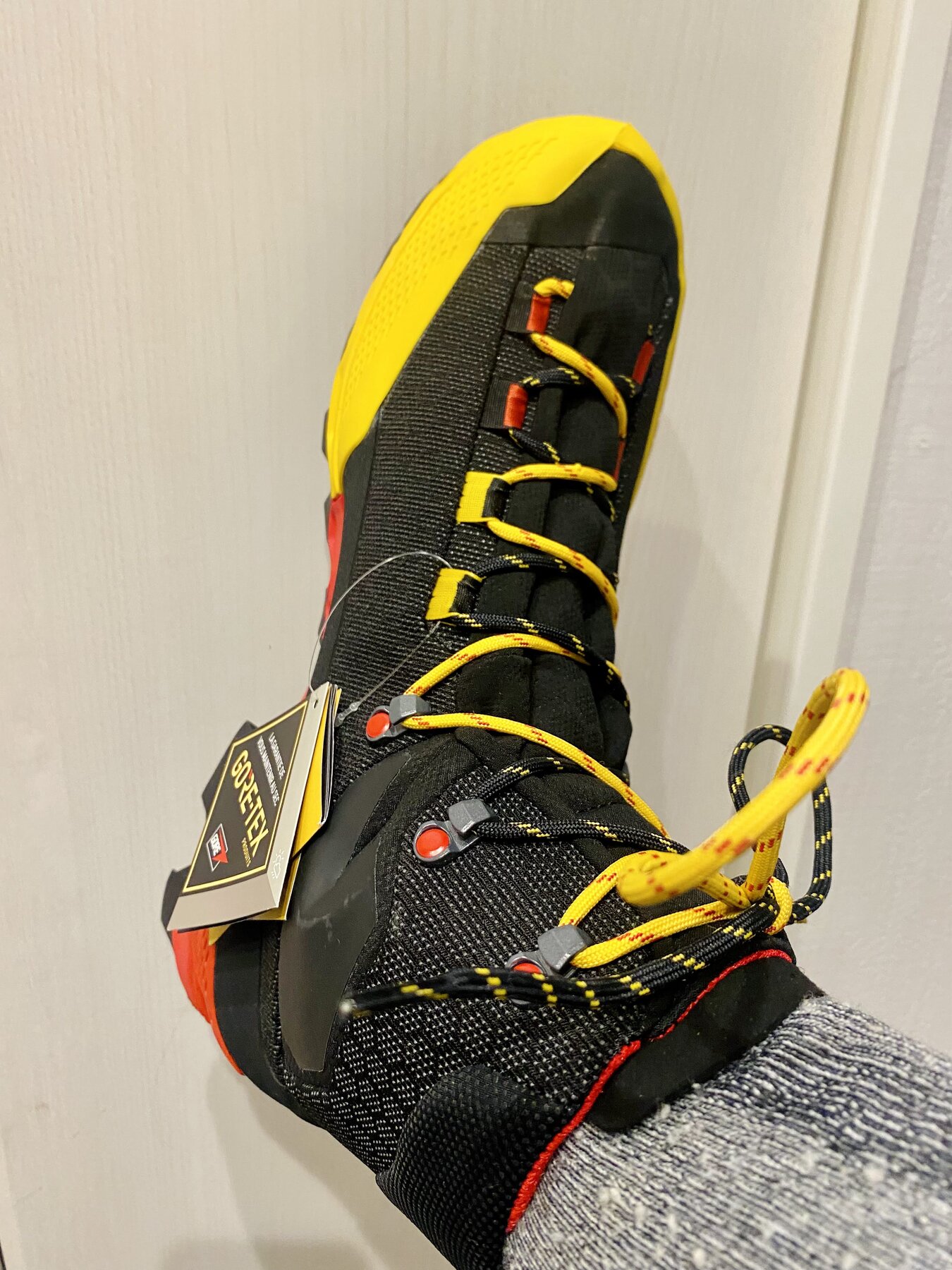
The Aequilibrium. This is a genuinely good boot, and the one I’ve liked most of any hiking boot I’ve owned.
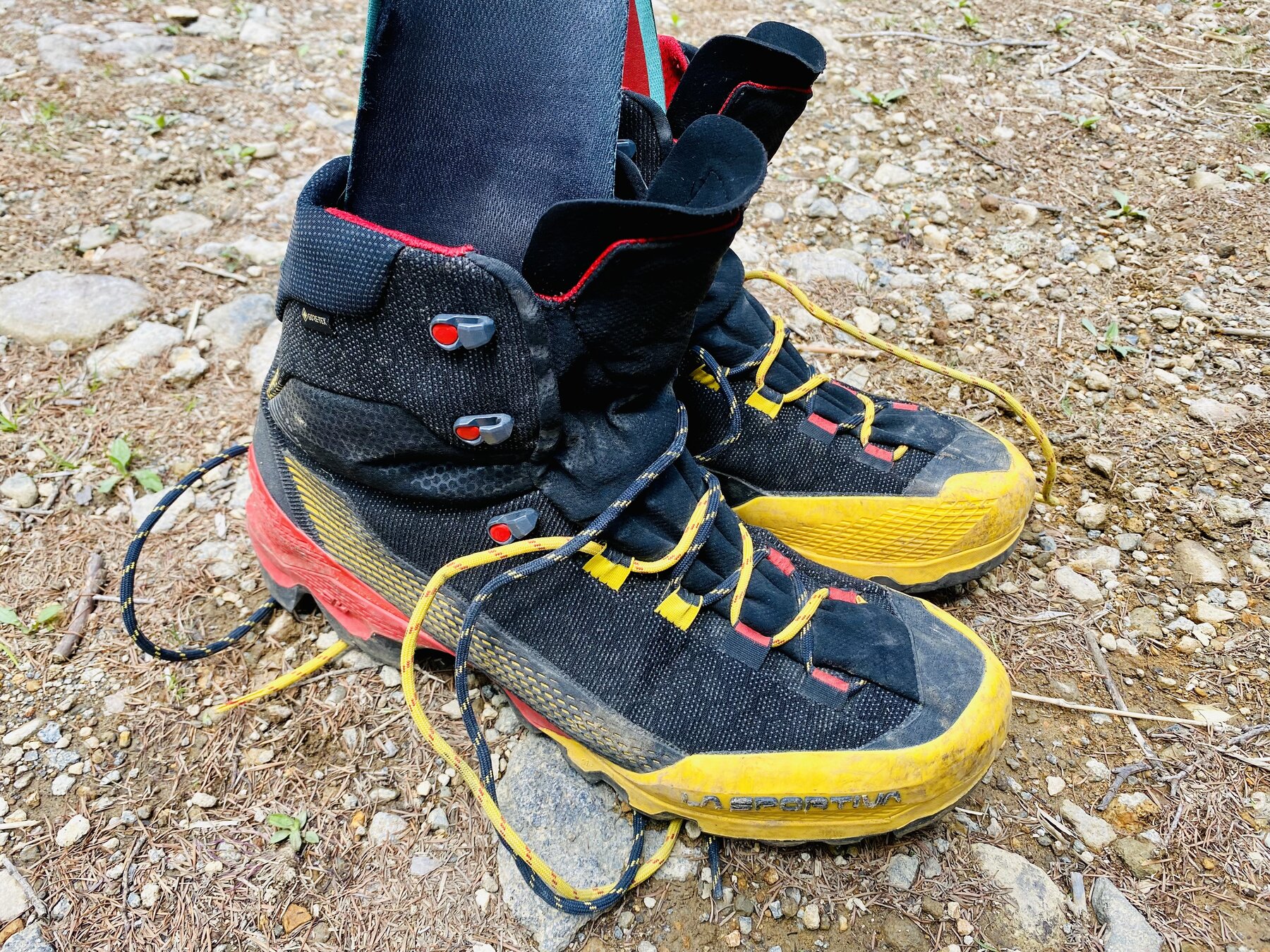
Here’s the same boot after I’d actually put some use into it.
It fits my foot well
A hiking boot is only as good as its fit for your foot. My feet are large — I’m around a US 11 in New Balance sneakers, roughly 29 cm — with a fairly low instep and a narrower shape. In the Aequilibrium ST GTX, an EU 46 with a thick hiking sock is right for me. That’s just my case; boot fit is very individual, so try before you buy if you can.
I’ve taken these a lot of places
Yakushima with a tent. Heavy multi-day loads in the Northern Alps. Loose rock. And long flat approaches like the walk from Kamikōchi to Tokusawa. For a low hill it’s probably overkill. I still use it, because it’s stiff and protective without being tiring to walk in, so it’s easy to bring to almost any mountain.
Walking without noticing the boot
The main reason I rate it: I mostly don’t notice the boot while walking. A boot that doesn’t fit becomes the thing you think about — toes, heel, sole, weight. With these, for me, that’s minimal. On a wet Yakushima tent trip I hit heavy rain, and in my use water getting into the boot wasn’t an issue. On long days I could just move without my feet demanding attention.
Confident on rock, and on the way down
Around the scrambling near Mt. Kisokoma and Hōken, the stiffness was reassuring. The heel structure gives me real confidence on descents — in wet, loose terrain where people around me were slipping, these gripped for me. There’s also a deep arch cutout in the sole that you can actually use to place your foot on rock. None of this guarantees safety; conditions can still make you slip. But it’s a boot I trust my footing to on hard ground.
An aftermarket insole, and ST vs LT
I run a New Balance aftermarket insole in mine, and that combination works very well for me. Insoles are foot-specific, so take that as my setup, not a recommendation.
There are two versions: ST (synthetic) and LT (nubuck leather). I bought the ST because it fit when I tried it on. Next time I’d like an LT — feeding oil into leather and watching it change over years is appealing for a tool you keep.
The one thing I’d change: the laces
On the ST, the laces work loose on me while walking. It’s worth finding a lacing method that holds. The upper does lock in well once set, so I fit the lower section carefully first, then work up. That’s about the only real downside for me so far.
You see a lot of them in the Alps
In the Northern Alps you spot plenty of Aequilibriums. If wearing the same thing as everyone bothers you, that’s a factor. Having used one this much, I get why so many people pick it: tough, easy to walk in, capable on rock, and it looks good. When I head for the mountains, this is the boot my hand goes to. For a piece of gear, that’s the highest rating I have.
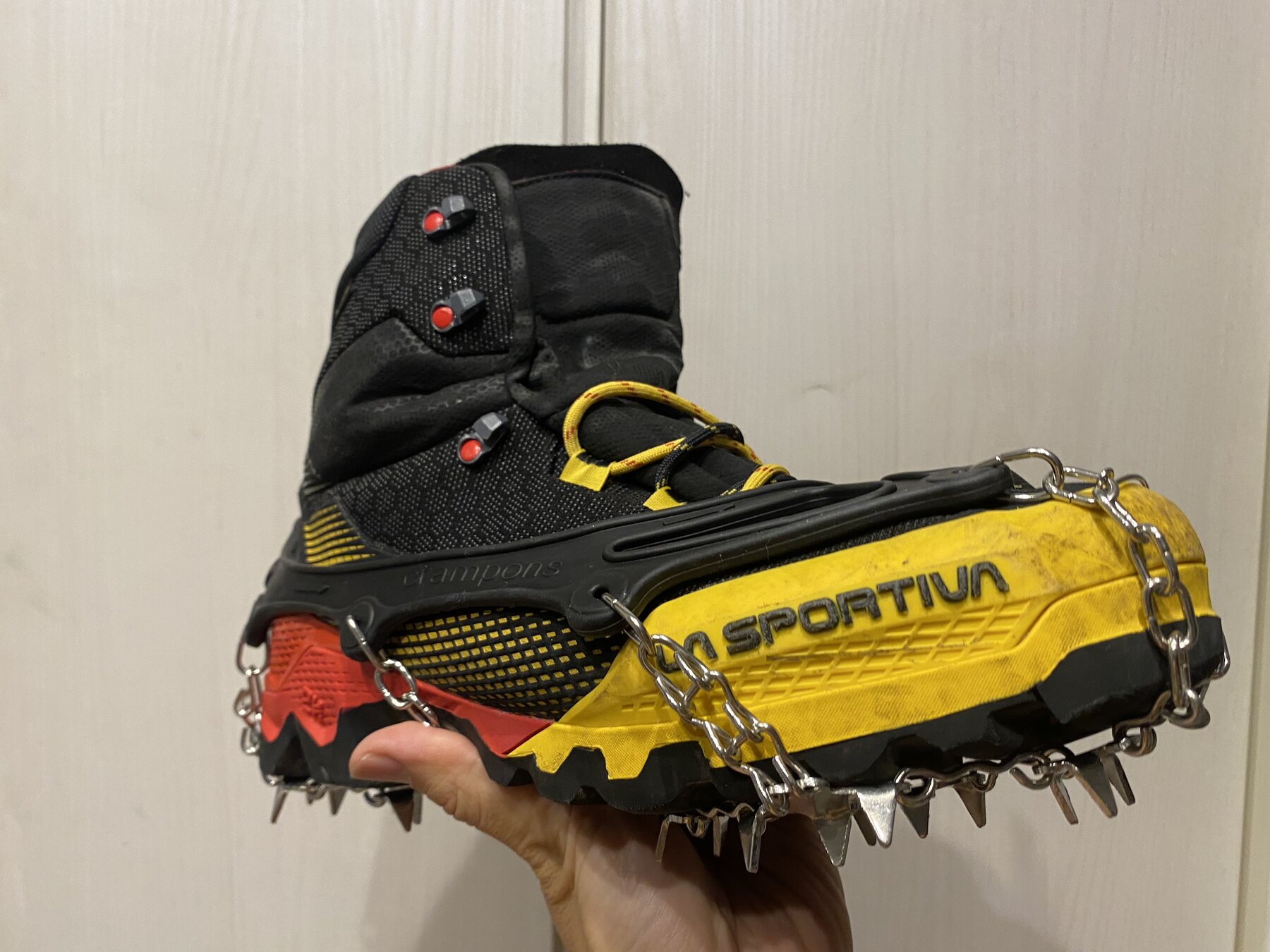
With a chain spike on
Here’s what it looks like with a chain spike fitted to it.
Fit, grip and waterproofing depend on your foot shape, the conditions and the state of the boot. Try hiking boots on in person and confirm they fit before use.
Products mentioned
La Sportiva(スポルティバ)エクイリビウム ST GTX
A pair of hiking boots I have actually worn from Yakushima to the Japanese Alps, including long days in the mountains.
The one I use